
Retail has never been short of choice. Most products can be found in multiple places, often at similar prices, and more and more, with similar levels of convenience. And yet, some brands become part of people’s daily lives, while others stay somewhere in the blurry background; used occasionally, or forgotten entirely.
Though there have been some cracking ones throughout ad history, retail brand loyalty rarely comes down to a single campaign. More often, it’s the result of something subtler and more gradual.
Whether you’re a small local business or a national retailer, there are a few common threads that tend to separate the brands people default to from those they don’t.

Be a someone, not a something
It’s easy to talk about brands as if they’re abstract things, but in reality they’re just groups of people. The stronger ones tend to make that clear.
That might mean being more open about where the business came from, what it stands for, or who’s behind it. It might mean showing a bit more of the day-to-day, or letting some personality through in how you communicate.
None of this needs to be overdone. It’s less about “storytelling” in the grand sense, and more about being recognisable as something – or rather, someone – with a point of view. A clear tone of voice helps. So do defined values, and a sense of consistency in how those are presented. Over time, this adds up to something customers can get a feel for.
And ideally, that “feel” reflects the people you’re trying to reach. Their tastes, priorities, or even their sense of humour (we’ve gone into this in a bit more detail here).
Take Nike and IKEA: one sells aspiration through athletes and community, the other focuses on everyday practicality. But both work because they reflect how their customers see themselves (or want to).
Be loyal back
If your brand is who you are, then your marketing is how you keep in touch. And like any good relationship, it can’t just be one-sided.
A lot of customers’ experience with a retail brand happens outside of them buying anything. It’s on their social media feeds, in their email inbox, through their letterbox, during in-person experiences and all the bits of communication in between. All of this contributes to how your brand is perceived.
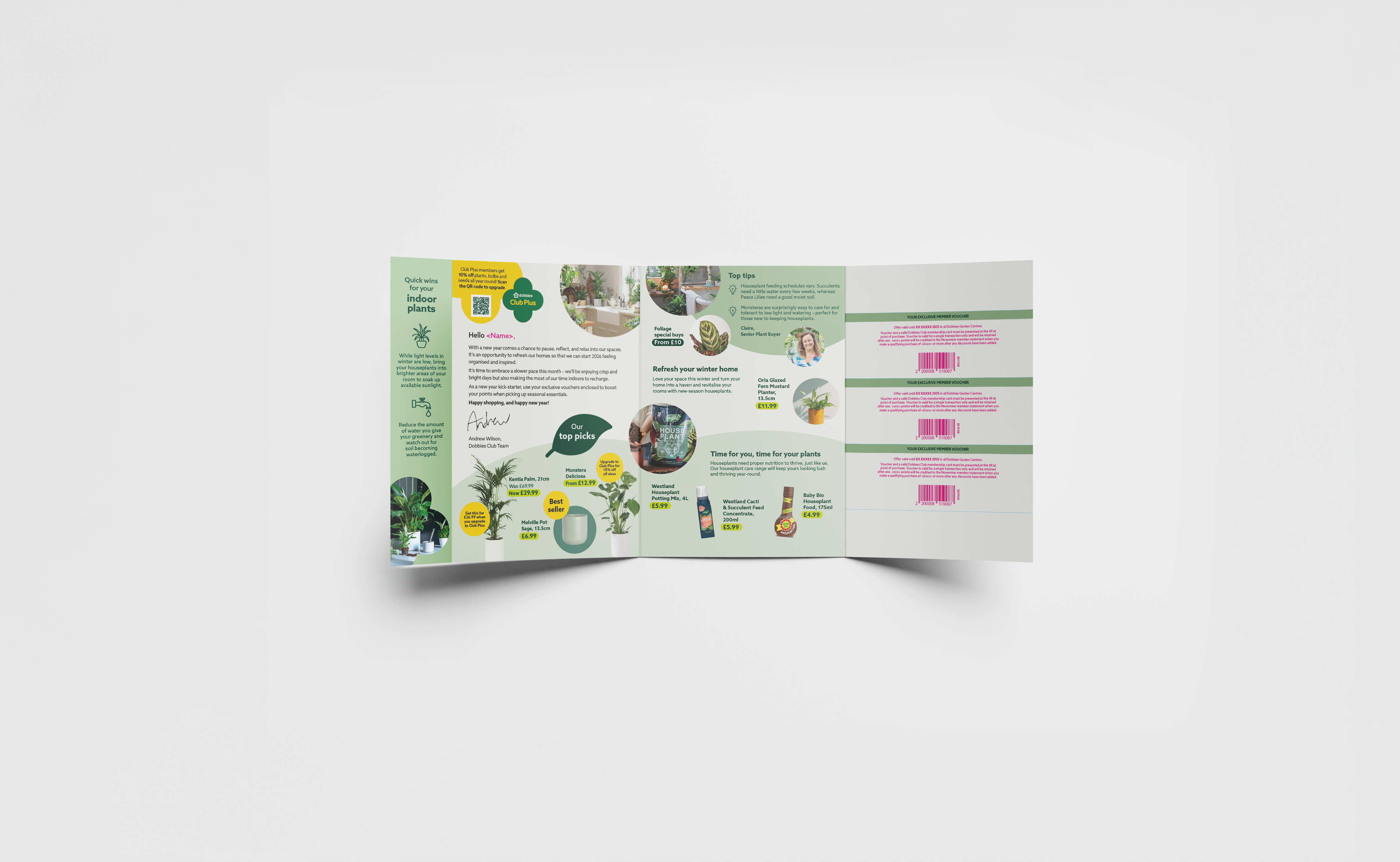
Take Dobbies Garden Centres. As the UK’s largest garden centre chain, it’s built a particularly loyal customer base, not just through what it sells, but how it keeps people engaged. Members get practical perks like free hot drinks and discounts, but just as importantly, the brand stays present in a more everyday kind of way.
Seasonal campaigns, monthly letters with garden tips and inspiration, and in-store events like their Little Seedlings workshops for children all reinforce what the brand stands for. It’s consistent, useful and clearly aimed at people who already have an interest in plants and gardening. And that’s the whole point. It feels less like being marketed to, and more like being included.
Consistency is key
People tend to trust what they recognise. When a brand shows up in a consistent way – visually, verbally, and experientially – it becomes easier to understand and, over time, easier to rely on.
That sort of consistency usually comes down to a few things done well:
- A clear visual identity, applied properly
- A tone of voice that doesn’t shift dramatically between channels
- A joined-up experience between physical and digital spaces
When those elements line up, the brand feels stable. Customers know what they’re getting, which makes it easier to come back.
It’s also why constant change can be counterproductive. Retail brands don’t need to reinvent themselves every few years to stay relevant. In fact, doing so can make you harder to recognise.
That’s part of the reason rebrands in retail can be risky. When a well-meaning brand shifts too far, too quickly, it can feel like something’s been lost (whether or not that’s actually the case).

Keep it flexible
That being said, standing still isn’t the answer either. Just as your human customers shift and change, so should your brand. Customer expectations change; culture shifts; what worked five years ago doesn’t always land in the same way now.
The brands that navigate this well tend to stay aware of what’s going on around them, and adjust accordingly, without losing their core identity.
The pandemic is an obvious example. The retailers that handled it best paid attention, adapted their messaging, and responded to what customers actually needed at the time. Often, that meant being more practical, more flexible, or simply a bit more human and reassuring in tone.
But global pandemics aside, this sort of agility pays dividends for most brands from a practical point of view. Testing things, learning as you go, and not overcommitting to long-term plans that are often based on assumptions.
There’s no single thing that makes a retail brand the obvious choice. It’s the accumulation of small, consistent signals over time. The way the brand looks, sounds, behaves and presents itself, again and again.
Most customers won’t analyse this consciously, but they do notice when a brand feels familiar and broadly aligned with what they like and believe. And more often than not, that’s enough.
Looking for a creative agency partner for your retail brand? Let’s chat.